Alpha Lipoic Acid Explained: Antioxidant and Energy Cofactor
Published 2026-11-21 · Quiet Nerves editorial team

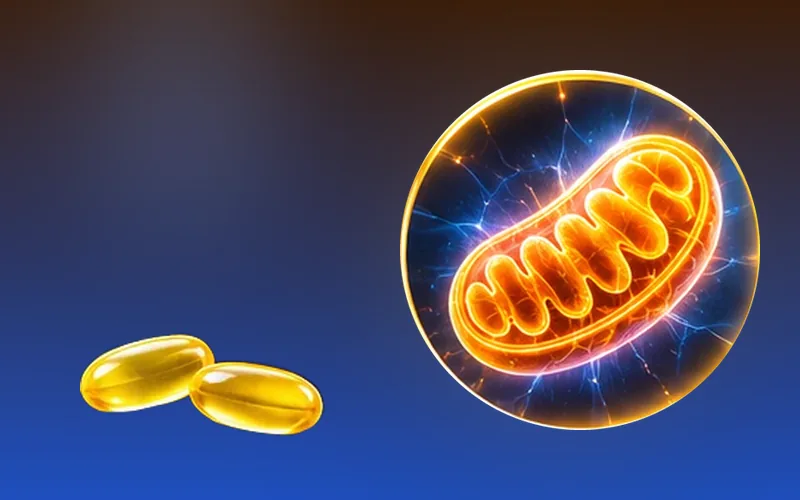
Alpha lipoic acid (ALA) is a sulfur-containing compound your body makes in small amounts inside mitochondria, the parts of cells that produce energy. It’s also found in foods such as spinach, broccoli and red meat.
Two jobs in one molecule
ALA is a necessary helper (cofactor) for enzymes that turn food into energy. It also acts as an antioxidant and helps regenerate other antioxidants such as vitamins C and E and glutathione, as described in the National Cancer Institute’s drug dictionary. That dual role is why it shows up in formulas focused on nerve health and cellular energy.*
What the research says
ALA has been studied for a range of uses. The NIH’s LiverTox resource notes that it’s usually well tolerated, though higher amounts can cause stomach upset, heartburn or headache, and that it’s not yet clear how much benefit oral supplements provide for specific conditions. That’s why Quiet Nerves presents ALA as part of a daily support formula rather than a treatment.
Who should check first
ALA can lower blood sugar. If you have diabetes or take glucose-lowering medication, talk with your doctor before starting any product that contains it.
Related on this site
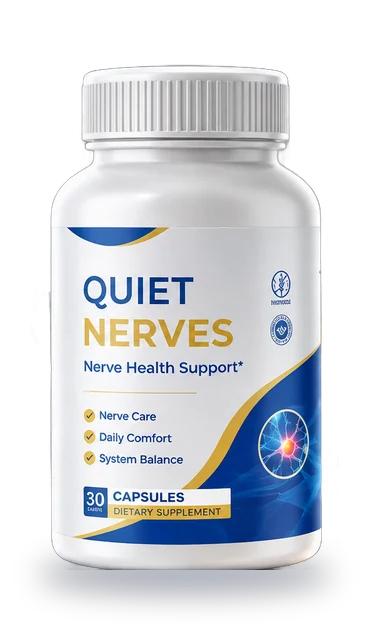
About Quiet Nerves
A once-daily capsule with magnesium glycinate, alpha lipoic acid, butcher’s broom, L-carnitine, turmeric extract and CoQ10 to support nerve health.*
View PackagesSources
- NIH NLM · LiverTox: Alpha Lipoic Acid
- NIH NCI: NCI Drug Dictionary: alpha-lipoic acid
- NCCIH: Using Dietary Supplements Wisely
This article is for general education and isn’t medical advice. Talk with your doctor before starting any supplement.